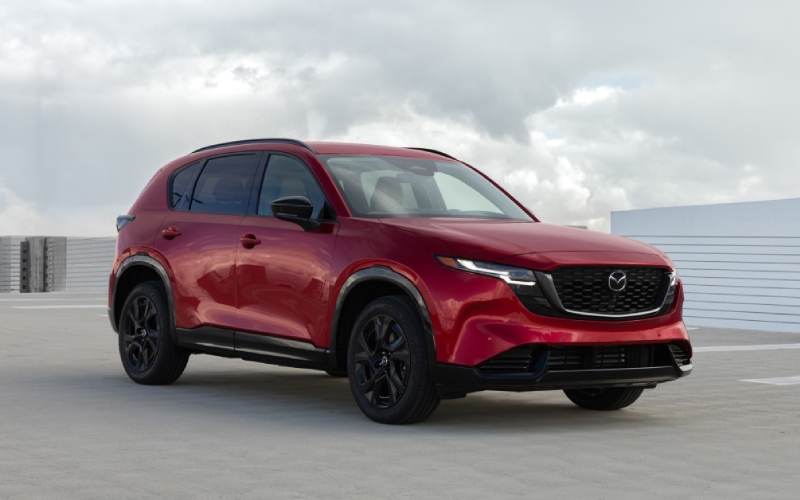
Huntington Beach Mazda - Which Brand Reduces Coastal Driver Fatigue Better near Costa Mesa, CA — Mazda SUVs or Volkswagen SUVs?
Daily driving around Costa Mesa is its own test track — morning marine layer and slick pavement on Harbor Boulevard, mid-day crosswinds on Pacific Coast Highway, tight parking near the Triangle, and evening congestion merging from the 55 to the 405. If you are cross-shopping compact and midsize SUVs, Mazda and Volkswagen both rise to the top of many shortlists. At Huntington Beach Mazda, we meet shoppers every day who want one thing above all else: a crossover that keeps them fresher and more confident after real Orange County drives. Here is a brand-level comparison of Mazda SUVs and Volkswagen SUVs through the lens of coastal driver fatigue — how each brand’s engineering, ergonomics, and driver assistance tech help you feel better at mile 60 than you did at mile 6.
Let’s start with the foundation that most affects your energy level: chassis tuning. Mazda’s approach — often described as Jinba Ittai, the feeling of driver and vehicle moving as one — is more than a tagline. Across Mazda SUVs like CX-30, CX-5, CX-50, CX-70, and CX-90, you will find consistent steering weight and linear responses that reduce the micro-corrections that tire you out on long freeway stretches. G-Vectoring Control Plus subtly manages engine torque and applies imperceptible braking at turn-in and corner exit to calm body motions on sweeping ramps, such as the 73 to 405 transition or the gentle curves on Newport Boulevard. Volkswagen SUVs such as Taos, Tiguan, and Atlas focus on solid stability too, and many drivers appreciate their straightforward road feel. In side-by-side test drives, however, Mazda’s calmer transient response — that composed moment when a lane change is initiated and completed — tends to require less steering input and fewer head and shoulder movements, which matters when the wind kicks up over Huntington State Beach.
All-weather traction is another pillar of fatigue reduction near the coast, where wet morning asphalt, painted bike lane stripes, and sandy intersections can challenge grip. Mazda’s i-Activ AWD® monitors road conditions and driver inputs to proactively transfer torque before slip is felt, helping the vehicle feel planted when you merge onto the 55 after a light sprinkle or accelerate across a crowned intersection by Fairview Park. Volkswagen’s 4MOTION distributes power to the wheels that need it as conditions change, and it is an effective, proven system. The difference many Mazda drivers notice is how natural the handoff feels in everyday driving — a subtle predictability that reduces those “small surprises” that elevate stress and, over time, contribute to fatigue.
Ergonomics are where Mazda’s consistency across the lineup really pays off on long days. Seat design in Mazda SUVs is engineered to support the spine’s natural S-curve, so your hips and shoulders stay aligned without constant fidgeting in PCH stop-and-go. The steering wheel, shifter, and primary controls are placed to minimize reach, and the available Active Driving Display projects key information close to your line of sight. Volkswagen counters with spacious cabins and the available Digital Cockpit, and many drivers like its crisp presentation. In our experience guiding shoppers near Costa Mesa, Mazda’s more tactile knobs for climate and audio, paired with clear analog-feel feedback, help reduce glance time and cognitive load — small wins that add up when you are threading through narrow lots around 17th Street or navigating a busy weekend at South Coast Plaza.
Road and wind noise contribute to drain, especially as the afternoon breeze builds off the Pacific. Mazda SUVs lean into tight body sealing and careful suspension tuning to manage both coarse pavement hum and the short, sharp impacts that fatigue your ears and neck on weathered sections of the 405. On upper trims, features like an acoustic windshield and laminated front glass further refine the cabin. Volkswagen SUVs are quiet in their own right, and the newest models make real strides; yet, Mazda’s combination of damping, seat padding density, and steering isolation can feel more cohesive over the patchwork surfaces common around Costa Mesa’s arterial roads.
Powertrains play a role in how relaxed you feel after an hour behind the wheel. Mazda’s naturally aspirated and available turbocharged 2.5-liter Skyactiv-G engines deliver predictable, linear response — helpful when you need a clean, confident pass heading up the 73 or a smooth re-entry onto PCH after a beach day. Larger Mazda SUVs offer an available inline-six powertrain, tuned for effortless torque delivery with refined sound. Volkswagen SUVs commonly use turbocharged four-cylinder engines tuned for robust midrange; they feel lively and efficient. Where Mazda often gains favor among our customers is the pairing of engine response with the transmission’s shift logic — it feels like the SUV understands your intent, which means fewer abrupt downshifts and less cognitive friction when traffic expands and contracts through Costa Mesa’s rush-hour waves.
Driver assistance systems should reduce workload, not add to it. Mazda i-Activsense includes standard or available features like Adaptive Cruise Control with Stop & Go, Lane Departure Warning System with Lane-Keep Assist, Blind Spot Monitoring, Rear Cross Traffic Alert, Smart Brake Support, and Traffic Jam Assist on select models. The tuning aims for smooth, humanlike inputs, which many drivers feel lowers stress in rolling congestion on the 405. Volkswagen’s IQ.DRIVE, with features such as Travel Assist, also brings helpful semi-automated support. We encourage back-to-back drives, because the way assistance intervenes — gently in a Mazda, more assertively in some VW situations — can be the difference between feeling supported and feeling managed.
Usability in tight coastal spaces is another daily fatigue factor. Around the Triangle or the packed lots by 17th Street, a helpful camera view and predictable dimensions matter. Mazda offers a 360° View Monitor on select models with natural perspective stitching and parking sensors that escalate smoothly. The turning circles of Mazda’s compact and midsize SUVs support confident one-move maneuvers, and the crisp steering off-center helps you place a wheel without guesswork. Volkswagen provides comparable driver aids on many trims, and visibility is generally good; the distinction often comes down to steering precision at low speeds and the clarity of the around-view display, where Mazda’s camera tuning and guidelines often feel more intuitive to our test drivers.
To make your research easier, here is a quick brand-to-brand snapshot focused on the elements that most affect fatigue on Costa Mesa area routes.
- Steering and Body Control: Mazda SUVs favor linear, calm responses with G-Vectoring Control Plus that reduce small corrections on PCH and the 73.
- All-Weather Traction: i-Activ AWD® delivers predictive torque distribution that feels natural on damp, sandy, or uneven coastal pavement.
- Seat and Control Ergonomics: Mazda emphasizes neutral posture seats, tactile knobs, and available Active Driving Display to keep eyes forward and shoulders relaxed.
- Cabin Quietness: Mazda’s tuning and available acoustic glass mitigate wind and surface noise common to coastal commutes.
- Assistance System Tuning: i-Activsense is calibrated for smooth, confident inputs that feel supportive in rolling OC traffic.
- Powertrain Behavior: Mazda’s linear engine response and shift logic contribute to predictable, low-effort acceleration.
Technology for your digital life also matters when your day involves bouncing between Costa Mesa, Newport Beach, and Huntington Beach. Mazda Connect supports seamless smartphone integration, and select recent Mazda models offer Alexa Built-In, so you can keep hands on the wheel while queuing up directions to Balboa Pier or checking your home smart devices. Volkswagen’s infotainment brings large, bright screens and its own voice control. Our advice is simple — try your daily tasks in both brands, then note which system demands fewer steps and less screen time. The right interface can shave seconds off common actions and keep you mentally fresher over a full week of commuting.
So, which brand best reduces coastal driver fatigue near Costa Mesa? Both Mazda and Volkswagen build capable, confidence-inspiring SUVs. The distinction we consistently hear from Orange County shoppers is that Mazda’s across-the-line consistency — steering feel, seat design, assistance tuning, visibility, and a notably calm ride — lowers the background “noise” of driving. When you multiply that by the number of merges, lane changes, and parking maneuvers in a typical Costa Mesa day, it often translates to arriving more relaxed in a Mazda.
Our team can set up a focused route from Huntington Beach Mazda that covers what you actually drive — a loop with freeway ramps, crosswinds along Beach Boulevard, a segment of PCH surface streets, and a tight-lot parking test near 17th Street. Bring your usual passengers, car seats, beach gear, or work bags, and evaluate both cargo versatility and ride composure as you would any other weekday. We are minutes from Costa Mesa, and we are happy to coordinate a Mazda-versus-Volkswagen comparison drive so you can feel the differences firsthand.
Frequently Asked Questions:
How does Mazda’s i-Activ AWD® help on damp coastal mornings?
i-Activ AWD® analyzes conditions and driver inputs to proactively balance torque front to rear, helping the SUV feel settled on slick paint stripes, sandy intersections, and crowned roads after the marine layer clears. That natural stability reduces the mid-corner corrections that can increase driver fatigue.
Which Mazda SUV size is best for Costa Mesa errands and beach runs?
For compact maneuverability with premium feel, many shoppers start with Mazda CX-30 or CX-5. If you want a slightly wider stance for weekend trails and beach gear, Mazda CX-50 is an excellent fit. Families needing three rows often prefer Mazda CX-90. Our team can help you choose based on parking needs near the Triangle, car seats, and cargo habits.
How do Mazda driver assistance features feel in stop-and-go on the 405?
Features available within i-Activsense — including Adaptive Cruise Control with Stop & Go and Traffic Jam Assist on select models — are tuned for smooth, confident inputs. Shoppers often describe the behavior as natural and less intrusive, which helps lower mental load during rolling congestion.
What should I look for when test-driving Mazda and Volkswagen SUVs back to back?
Focus on steering corrections in a steady crosswind, how quickly you settle into a comfortable posture, cabin noise on coarse pavement, and how many steps your most common infotainment tasks require. Also test low-speed precision in a tight parking lot near 17th Street or Newport Boulevard.
Can Huntington Beach Mazda set up a comparison route that mirrors my daily commute?
Yes. We can build a route that includes freeway ramps, surface streets with lane changes, and a coastal segment to sample crosswinds — even a quick stop to practice real-world parking. Our goal is to help you feel the differences that matter over months of Costa Mesa driving.
We invite you to experience Mazda’s calm, confidence-inspiring approach in person at Huntington Beach Mazda. Our team will help you compare features, configure the right Mazda SUV for your life around Costa Mesa, and keep it performing at its best with our certified Mazda service. When a vehicle reduces the background effort of every mile, the difference shows up in how you feel at the end of the day — and that is where Mazda shines.