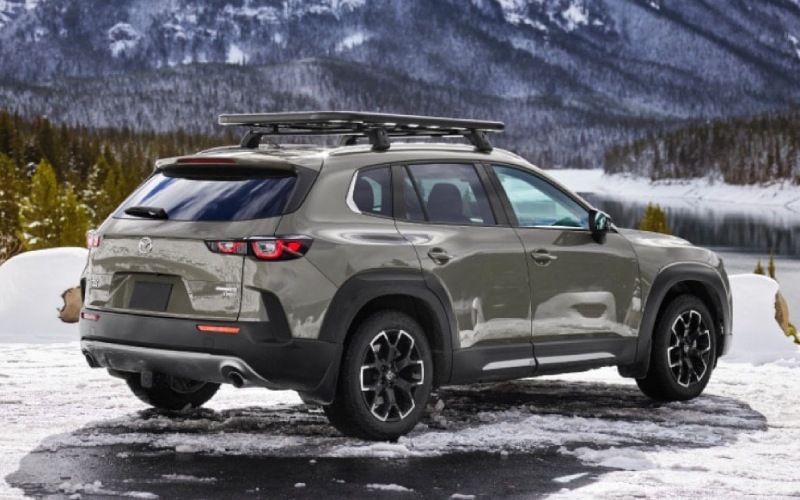
Huntington Beach Mazda - Mazda vs Honda for Clearer, Calmer Night Drives near Anaheim, CA
Late-night returns on the I-5, SR-57, and SR-91 around Anaheim can turn any errand or family outing into a vision and concentration test. Glare from stadium lighting, quick transitions from bright retail corridors on Katella Ave to darker suburban stretches in Anaheim Hills, and dense traffic near Disneyland Resort all amplify the need for excellent headlights and confident driver-assist tuning. At Huntington Beach Mazda, we regularly meet shoppers comparing Mazda to Honda for exactly these conditions. If nighttime visibility and stress reduction are high on your list, here is how the brands stack up across sedans, hatchbacks, and SUVs—with a focus on the features that matter most after sunset.
Mazda’s design philosophy centers on human-centric engineering, and it shows when the sun goes down. Across the lineup, Mazda offers standard or available LED lighting, High Beam Control, and—on select models and trims—an Adaptive Front-lighting System that can pivot the headlamps into a curve to better illuminate where you are headed. Paired with the available windshield-projected Active Driving Display and Mazda’s subtle G-Vectoring Control Plus chassis software, Mazda models help reduce eye refocus, limit head toss, and maintain stable, predictable steering inputs on Southern California’s concrete freeway seams and lane drops.
Honda brings a strong suite of safety and driver-assist technologies to the table as well. Many current Honda models include standard LED headlights and Honda Sensing with features such as Adaptive Cruise Control with Low-Speed Follow and Lane Keeping Assist System. In our experience guiding Orange County drivers, both brands deliver robust safety content, but Mazda’s available Adaptive Front-lighting System, widespread availability of a windshield-projected head-up display, and the natural, balanced tuning of Mazda Radar Cruise Control with Stop & Go often result in a more composed night-drive feel.
To highlight the details that matter on real Anaheim routes, consider the following nighttime confidence advantages many shoppers notice in Mazda vehicles during back-to-back evaluations.
- Headlight aim into curves: Mazda’s available Adaptive Front-lighting System helps illuminate winding connectors—such as the SR-91 ramps near Anaheim Hills—by directing light into the bend, increasing forward visibility without relying on steering guesswork.
- Glare management: High Beam Control automatically toggles the high beams to match oncoming traffic and ambient lighting, reducing glare stress on Katella Ave and Harbor Blvd while maintaining clear, consistent road illumination.
- Eyes-up information: The available Active Driving Display projects key data onto the windshield, helping eyes stay aligned with lane markings and signage, instead of bouncing down to a gauge cluster during quick decisions near busy attractions and late-night roadwork.
- Natural driver-assist feel: Mazda Radar Cruise Control with Stop & Go and available Traffic Jam Assist are tuned for smooth acceleration and braking inputs, minimizing the “rubber band” effect that can increase fatigue on the I-5 crawl past Anaheim.
- Stable, quiet structure: Mazda’s Skyactiv-Body tuning and attention to NVH help reduce the drone and vibration of OC’s concrete sections, so headlight clarity and steering feedback are easier to discern during long night drives.
- Steering composure: G-Vectoring Control Plus subtly supports stability during small corrections, helping reduce back-and-forth inputs and improving straight-line confidence when crosswinds funnel through the Santa Ana River corridor.
Honda competes capably in several areas—many models feature LED headlights, automatic high beams, and a comprehensive driver-assist package. For shoppers who prioritize nighttime driving above all, a few distinctions often tip the scales toward Mazda. While Honda offers a head-up display on only a handful of higher trims in the current lineup, Mazda makes a windshield-projected Active Driving Display available on more models and trims. Honda models commonly feature fixed LED headlight units that provide bright, efficient illumination, but Mazda’s available Adaptive Front-lighting System provides added visibility benefits on curvier segments or tight interchanges common near Anaheim and Fullerton. These differences, combined with Mazda’s signature chassis tuning, frequently deliver a calmer, more connected feel after dark.
- Lighting breadth: Honda’s LED systems are effective and widespread; Mazda’s available Adaptive Front-lighting System adds curve illumination that many shoppers prefer on canyon-adjacent stretches and winding connectors.
- Eyes-up tech: Honda limits a head-up display to select top trims; Mazda offers the windshield-projected Active Driving Display broadly, helping reduce eye strain during frequent speed and lane checks at night.
- Cruise and lane support: Both brands provide highway assist functions; Mazda’s tuning emphasizes natural inputs and driver engagement, which can feel more intuitive in dense nighttime traffic.
- Cabin calm: Honda prioritizes refinement; Mazda doubles down on structural rigidity and NVH control that can make signage, lane reflectors, and potential hazards easier to track when it’s late and roads are busy.
Beyond specs, nighttime confidence is about how your vehicle behaves when traffic stacks up near the Disneyland Drive exits or when you merge from bright commercial corridors into darker residential zones. In Mazda SUVs and cars, the combination of responsive LED lighting, available Adaptive Front-lighting System, and the steadying effect of G-Vectoring Control Plus helps simplify those transitions. On the SR-91 through Anaheim Hills, for example, consistent headlight distribution into gentle curves and a planted steering response support better anticipation—an underrated advantage when visibility is reduced and brake lights can appear suddenly.
Driver-assist smoothness also matters at night, when abrupt inputs can heighten fatigue. Mazda Radar Cruise Control with Stop & Go and available Traffic Jam Assist are calibrated to feel progressive rather than abrupt, contributing to a more natural rhythm in slow-and-go pockets near the Orange Crush Interchange. While both Mazda and Honda systems aim to support safe, confident driving, Mazda’s human-centric tuning often feels more aligned with how experienced drivers naturally modulate throttle and steering in Orange County conditions.
If you are cross-shopping across body styles—compact SUVs like Mazda CX-30 and Honda HR-V, two-row mainstays like Mazda CX-5 and Honda CR-V, or engaging compact cars like Mazda3 and Honda Civic—use a night-focused test drive to identify the right fit for your routes between Anaheim and Huntington Beach.
- Plan your loop: Include a mix of city lighting and darker segments—Beach Blvd to Katella Ave to the I-5 offers both glare-intensive zones and dimmer stretches for a full assessment.
- Evaluate illumination: Pay attention to how evenly the headlamps light lane edges, reflectors, and signage when merging near major exits and when cresting overpasses.
- Watch assist behavior: Activate adaptive cruise and lane support in moderate traffic and note how naturally the vehicle accelerates, brakes, and centers within the lane.
- Check eyes-up clarity: If equipped, compare how a windshield-projected display helps maintain situational awareness while scanning for pedestrians and cyclists near entertainment districts.
- Assess composure: On concrete freeway sections, observe steering stability, cabin quietness, and how easy it is to track taillights and lane markers over expansion joints.
Our team at Huntington Beach Mazda is ready to help you set up a night-friendly evaluation and explain how features such as i-ACTIVSENSE, Mazda Radar Cruise Control with Stop & Go, the available Active Driving Display, and the available Adaptive Front-lighting System work in everyday Orange County driving. We serve Anaheim shoppers daily from our location at 16800 Beach Blvd, Huntington Beach, CA 92647-4807, and we are happy to tailor a route that reflects your real commute patterns.
For families and commuters who value confidence after dark, Mazda’s thoughtful lighting technologies, human-centric ergonomics, and balanced driver-assist tuning add up to clearer sightlines and a calmer drive. Honda brings worthy competition, but for the late-night freeway merges, parking-structure exits, and quick neighborhood transitions common near Anaheim, Mazda’s available lighting and eyes-up interface advantages often make the difference you feel immediately.
Frequently Asked Questions:
Do all Mazda vehicles offer an Adaptive Front-lighting System?
Adaptive Front-lighting System availability depends on model and trim. Mazda makes the feature available on select sedans, hatchbacks, and SUVs. Our team can show you which configurations include it and set up a demonstration after sunset.
Is Mazda’s High Beam Control different from other automatic high-beam systems?
High Beam Control functions similarly to many automatic systems by switching between low and high beams based on traffic and ambient lighting. In Mazda vehicles, the system pairs effectively with the available Adaptive Front-lighting System to support consistent, well-aimed illumination throughout curves and lane changes.
Does i-ACTIV AWD® help with nighttime driving in Orange County?
Yes. i-ACTIV AWD® is designed to monitor road and driver inputs to preemptively distribute torque. Even on dry nights, this can support stability when lane debris, sand, or the first minutes of light rain reduce traction near Anaheim and along coastal routes.
Do Mazda models offer a head-up display across multiple body styles?
Yes. The available Active Driving Display is offered across several Mazda sedans, hatchbacks, and SUVs, projected onto the windshield for easy visibility in nighttime conditions. Availability varies by model and trim, and our product specialists will help you find the right match.
Can I evaluate Mazda’s lighting and driver-assist features on a route that reflects my Anaheim commute?
Absolutely. We can recommend a route that includes a mix of city streets and highway segments similar to your daily drive—such as Katella Ave to the I-5—so you can experience Mazda’s lighting, available Adaptive Front-lighting System, and i-ACTIVSENSE features in real conditions.
When you are ready to experience the difference, contact Huntington Beach Mazda at 714-361-9347. Our team will help you choose a Mazda that delivers the nighttime clarity and composure you want for life around Anaheim, then back it with the certified service and genuine Mazda parts support you expect for years to come.